
Christmas Eve is always a magical moment, but preparing the home and table always brings along a mix of emotions alongside a bit of mild anxiety that disappears as soon as everyone starts eating.
So let’s see how to set the 2026 Christmas table and handle this moment in the best way possible to keep that feeling to a minimum without panicking.
Planning ahead: On these occasions, complex dishes requiring a lot of time are often cooked; some need to rest, while others can be prepared in advance. It is completely normal to start preparing these foods the day before so you don't have too many things to do on Christmas Eve day. You can use the same method for setting the table for Christmas Eve dinner. If you have a formal dining room available, you can set it up as early as the afternoon of December 23rd; or, if you only have one dining table, you can arrange everything needed for dinner on a temporary surface so you don't have to rush around the house looking for things.
The bare minimum
Think about the menu to lay out the bare minimum needed.
How many courses for the 2026 Christmas Eve dinner? A typical dinner includes an appetizer, first course, second course, side dishes, cheese, fruit, dried fruit and nuts, dessert, coffee, and after-dinner liqueurs, followed by more dried fruit and nuts for chatting or playing bingo after dinner. We can also plan a pre-appetizer—the appetizer before the appetizer! In reality, it's nothing more than an aperitif to welcome guests as they arrive before everyone sits down. For each of these courses, it would be nice to have a specific dish: a small plate for the appetizer, a soup plate or bowl for the first course, a dinner plate for the second course (which can also stay for cheeses if it isn't too cluttered with scraps), a fruit plate and small bowl if a fruit salad is served, and a dessert plate. For drinks, large glasses for the aperitif if you're serving spritz or similar cocktails, a low tumbler glass for water, a wine glass for white wines, or the same aperitif glass for reds—provided someone helps the hosts wash them once the aperitif is over.
Not everyone resides at Buckingham Palace (editor's note: not even the author of this article), and people don't always have 400-piece dinnerware and cutlery sets at their disposal, so we adapt with whatever we have at home, and that is perfectly fine.
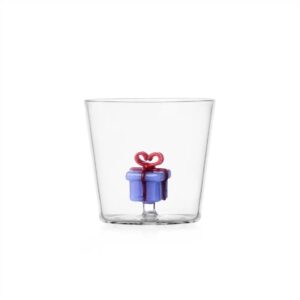
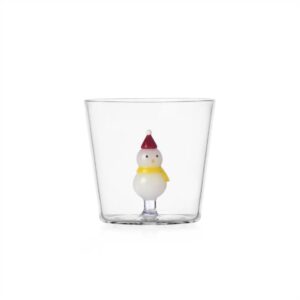
For a responsible approach, at least at Christmas, let's avoid disposables. If you don't have a cloth napkin set that matches the tablecloth, paper napkins can be used, but choose ones that suit both the event and the table setting.
Christmas Colors
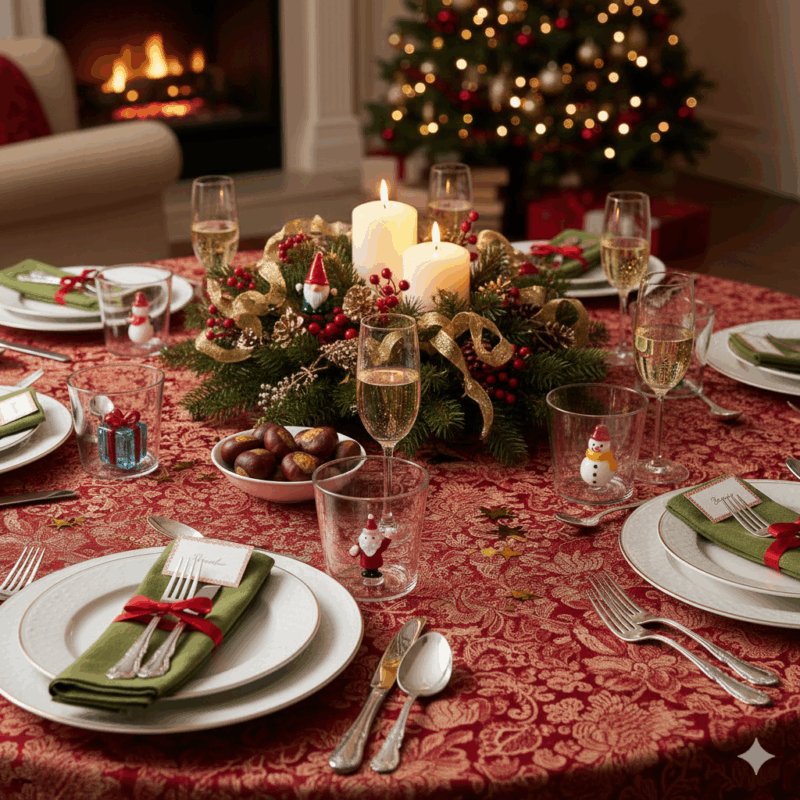
The colors of Christmas are those of holly dusted with snow: the green of the leaves, the red of the berries, and the white of winter. If you don't have suitable combinations available, choose white to be safe. If there is a pattern, choose a subtle floral accent. For the little ones, we can venture into fairytale themes. But for children, anything goes, so cartoon characters or superheroes are more than welcome.
On a nearby side table or sideboard, prepare the plates and glasses for the subsequent courses in advance. Right from the start, we will set a colorful themed charger plate and an appetizer plate. The rest can go on the side table. You can also choose to set the table with a charger plate, dinner plate, soup plate, and the appetizer plate on top, even if formal etiquette etiquette might not entirely agree.
According to proper table arrangement etiquette, cutlery should be placed at the sides in order of use from the outside in: first those for the aperitif (if available), then those for the main courses, and dessert or fruit cutlery placed above the plate.
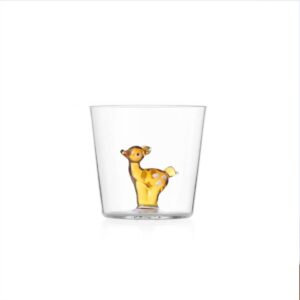
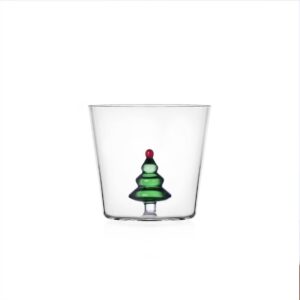
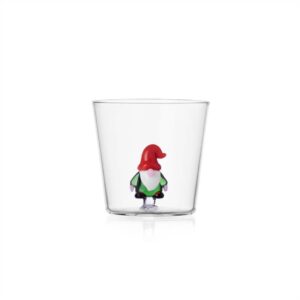
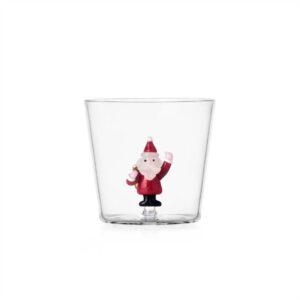
For water glasses, try the Ichendorf Christmas glasses from the 2026 Christmas collection by Ichendorf inspired by this holiday:
In addition to all this, it is important to plan ahead which dishes will be served at the table. This is because, even before starting to cook, you should select the trays, turing-bowls, serving boards, and large platters to hold everything that will be lovingly prepared. Less common at home but equally valid is serving individual plates pre-portioned directly from the kitchen; this eliminates the need for trays or platters since the food goes straight from the pan to the plate and, hopefully, from the plate to the stomach. If you don't have serving containers or don't want the food to get cold, using the cooking pan or baking dish directly works just fine.
The Centerpiece
A centerpiece is lovely when chosen carefully: floral arrangements, pinecones, pomegranates, or winter-colored fruit. It is best to use compact centerpieces if the table isn't overly large. If they are too big, they take up valuable space needed for serving dishes; if they are too tall, they block guests from making eye contact during conversation, forcing them into awkward side-peeking movements. A pot of cyclamens with pretty foliage alongside garlands borrowed from the Christmas tree works well. Or why not a mini decorated Christmas tree! You can find them for sale at most grocery stores.
Bonus Tip
Bonus Tip: If you are serving canapés or finger foods and want to make a great impression, don't make them all identical. Don't make 40 with just ham, cheese, and mayonnaise. Add variety; it takes extra time, but the result in your guests' eyes will be impressive.


